How 3D printing can solve drug shortages
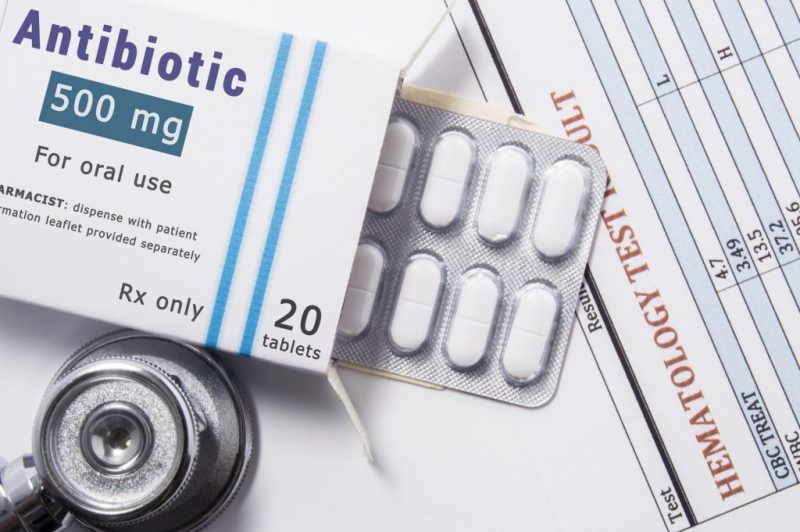
In the pharmaceutical sector, supply shortages represent a major issue that compromises access to essential medicines for many patients. However, the technological advances of 3D printing offer a promising solution to resolve this persistent problem.
A constant increase in shortages
Since 2017, stock shortages of healthcare products have been constantly increasing. The main reasons are insufficient production capacity and unforeseen fluctuations in demand. Other reasons, such as the saturation of manufacturers' order books, disruptions caused by the Covid-19 pandemic, and international transport issues, are also identified.
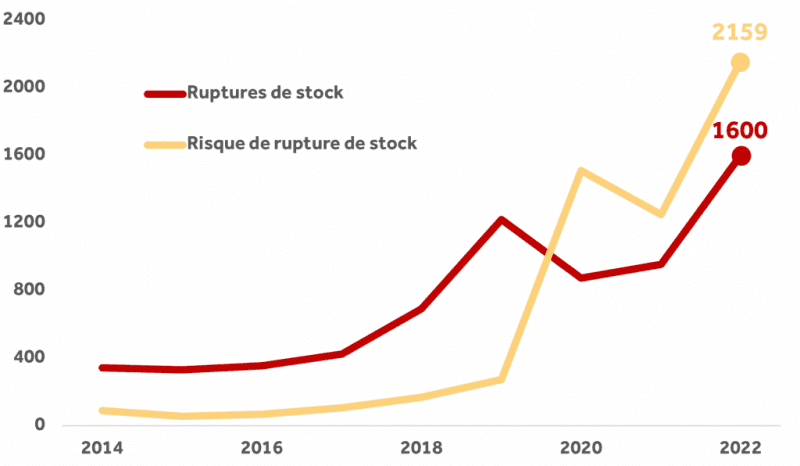
Out-of-stock medicines and risk of stock shortages, ANSM data
Shortages linked to a lack of finished products
The majority of observed stock shortages are linked to a lack of finished products. This is why magistral and hospital preparations can limit supply tension or shortage situations.
The French Senate, in a report published in July 2023, recommends encouraging recourse to magistral or hospital preparations. According to the Senate, these solutions must continue to be developed. In this context, 3D printing can intervene as a technical solution. Indeed, pharmaceutical printing gives pharmacists the ability to produce medicines with the safety of industrial manufacturing.
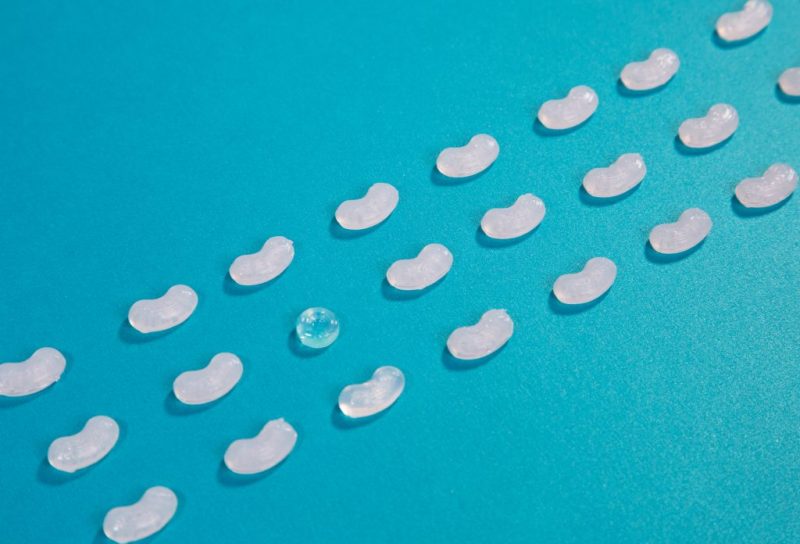
Personalized medicines produced by pharmaceutical 3D printing
3D Printing: A solution to address drug shortages
3D printing of medicines is an innovative technique that allows for the rapid and efficient production of personalized drugs. By using pharmaceutical 3D printing, internal-use pharmacies (PUI) and community pharmacies equipped with a compounding lab will be able to manufacture personalized medicines locally and automatically. This will reduce delays associated with manufacturing, distribution, and delivery.

Pharmaceutical cartridge installed on a GMP MB Therapeutics 3D printer to produce personalized medicines
Several use case scenarios for pharmaceutical 3D printing
Several scenarios for using 3D printing technology can be considered to address supply shortages.
First of all, rapid production of medicines is possible by using a prepared mixture of excipients adapted to several active ingredients as well as an electronic file giving manufacturing instructions to the pharmaceutical 3D printer.
Another possibility is that pharmacies equipped with a 3D printer will be able to order industrially manufactured pharmaceutical cartridges. These contain the active ingredient and are accompanied by an electronic manufacturing procedure file, thereby offering an automated and turnkey solution for the production of out-of-stock medicines.

MB Therapeutics pharmaceutical cartridges usable for 3D printing
Conclusion
This is why MB Therapeutics is dedicated to the development of pharmaceutical cartridges containing active ingredients as well as ready-to-use mixtures.
In conclusion, 3D printing of medicines offers considerable potential for solving supply shortage issues in pharmacies. This technology allows for the production of personalized medicines, responding quickly to patient needs and reducing supply delays. The emergence of 3D printing in the pharmaceutical field paves the way for a new era of customization and increased accessibility to medical treatments.
©️2026 MB Therapeutics