The benefits of 3D-printed medicines
3D printing offers innovative possibilities in drug manufacturing. Thanks to its flexibility, different forms of personalized medicines can be printed in a context of adaptation to the unique needs of patients.
What if we could have a choice of medication?
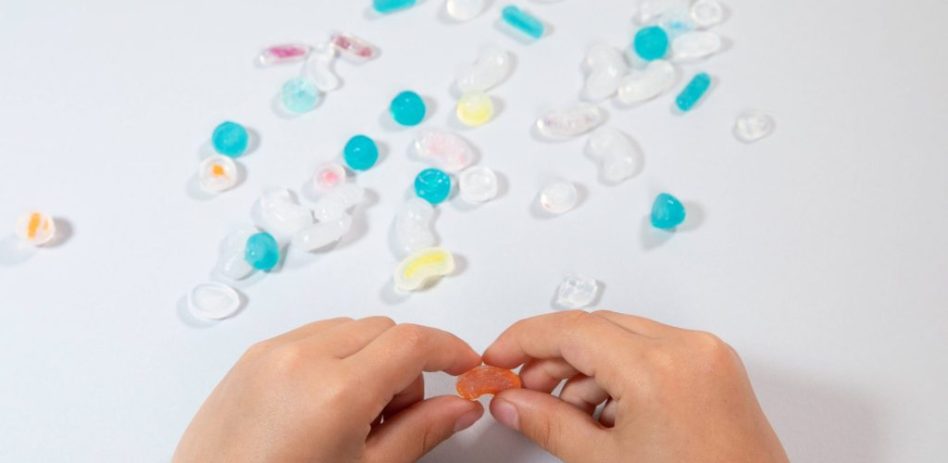
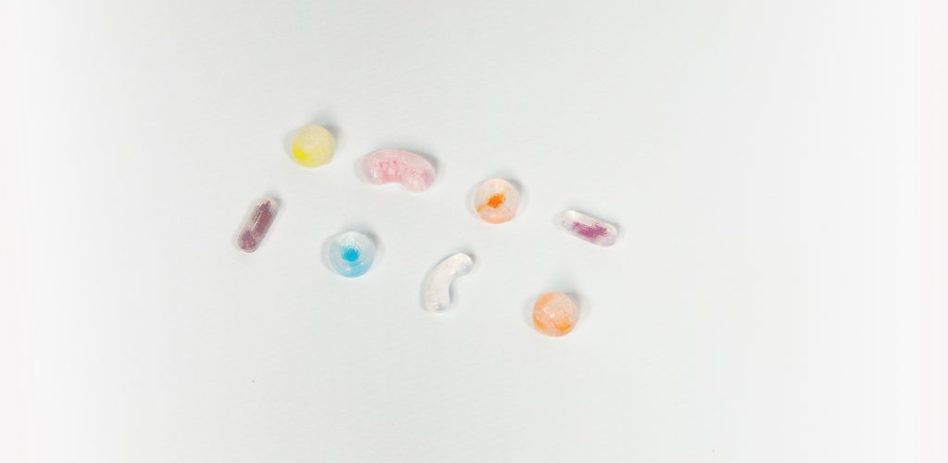
The application of 3D printing in drug manufacturing presents an advantage in terms of acceptability. Indeed, this technology has the potential to create different geometries according to patients' tastes and preferences. These personalized shapes can transform taking treatment into a positive experience.
Take the example of young patients : for them, swallowing medicine can often be a challenge. However, using 3D printing, they have the choice of orange, blue, a sun, or a star. Taking medication, which is often difficult, size, and shape will no longer be a constraint.
Thus, 3D printing paves the way for a more personalized approach to taking medication, improving the acceptability and effectiveness of treatments, especially in the most vulnerable populations.
Precise dosing: the challenge met by 3D printing
Precise dosing is an important element in drug administration. It guarantees the effectiveness of the treatment while minimizing the risk of adverse effects. Thanks to 3D printing, it is possible to produce tailor-made medicines with precision according to the patient's need.
Unlike traditional mass manufacturing methods, which are limited in terms of dosage flexibility, 3D printing allows for a choice of dosage based on the patient's unique need. Indeed, by using this technique, it is possible to create drug formulations with precision, ensuring exact dosages even for low-dose drugs.
This precision is particularly beneficial in the case of treatments requiring specific doses for individual patients.
Polypill: Several medications within a single oral form
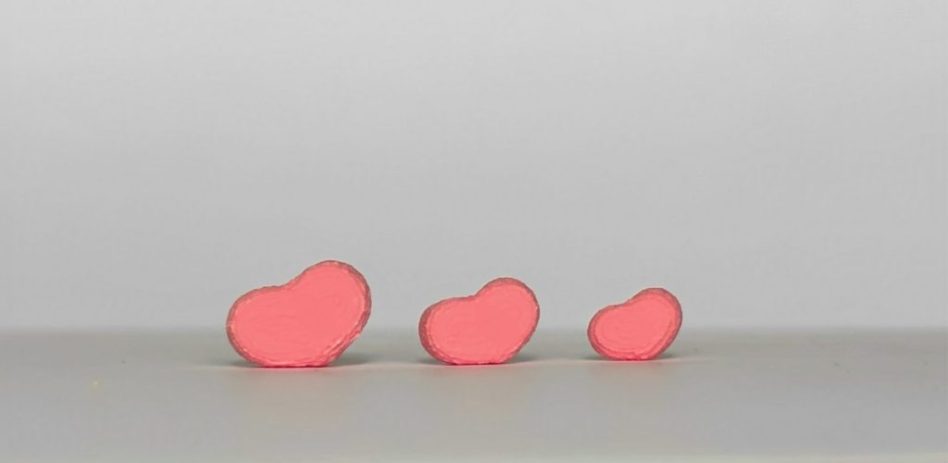
The polypill, a single oral dosage form containing multiple active ingredients, is achievable with 3D printing. Indeed, polypills can be produced to meet the specific needs of each patient in terms of dosage and medication combination.
By reducing the number of medications to be taken daily, this helps to improve a patient's adherence to their treatment. Indeed, particularly for geriatric care or for people with chronic diseases, a high number of medications may be prescribed, encouraging forgetfulness and reluctance towards the treatment.
Consequently, thanks to 3D printing, it is possible to combine several medications into one, in order to make swallowing the medication easier and promote a facilitated intake, without errors or omissions.
Conclusion
3D printing of medicines offers a new perspective in patient care. By allowing optimal personalization of treatments, this technique simplifies daily intake and improves patient adherence.
©️2026 MB Therapeutics